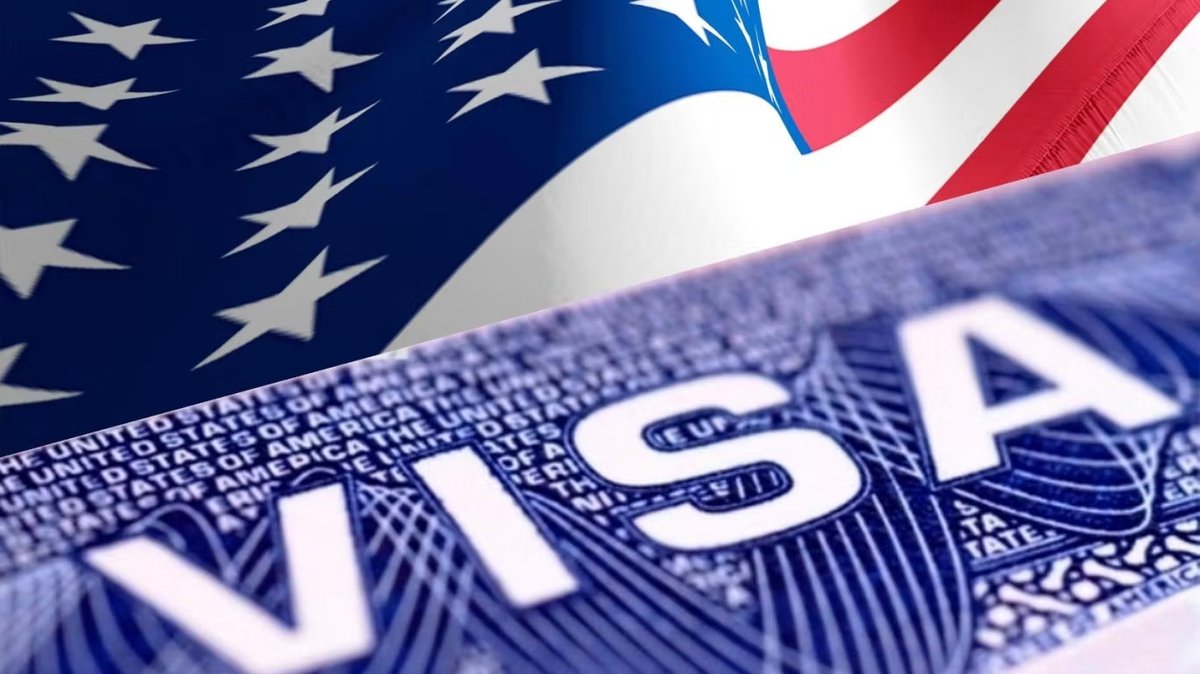
Antiguan and Barbudan students with plans to study in the United States may face significant new uncertainty if proposed changes to the US international student visa system move forward.
According to Antigua News Room, the US Department of Homeland Security has put forward a proposal that would replace the current "Duration of Status" system for student and exchange visas with fixed admission periods of up to four years.
Should the changes be approved, they could take effect before the Fall 2026 academic intake and may particularly impact students enrolled in long-term programmes, including medicine, engineering, law, computer science and research fields.
Under the existing system, international students may remain in the United States for as long as they maintain their academic standing. Universities currently hold the authority to approve extensions when students require additional time to complete their studies.
The proposed rules would transfer that authority to US Citizenship and Immigration Services, compelling students to apply directly to immigration officials for any extensions. Education groups in the US have warned that existing immigration backlogs could make the process slower and less predictable.
The changes could also have implications for Optional Practical Training, or OPT, a programme that allows international graduates to gain work experience in the US following the completion of their studies. OPT has become an important pathway for Caribbean students seeking professional experience abroad.
Critics argue the proposal may deter international students from choosing the US at a time when countries such as Canada, the United Kingdom and Australia are actively promoting more flexible immigration options for graduates.
The US government maintains that the measures are designed to strengthen immigration oversight, prevent fraud and improve national security monitoring.
The proposed rule was submitted for review on 5 May and could be implemented approximately 60 days after official publication. Legal experts note it may still face court challenges from universities and student advocacy groups.