Antigua and Barbuda has joined a regional push to combat the use of harmful mercury-containing skin-lightening products, participating in the launch of a new World Health Organization behavioural insights toolkit designed to help countries understand and address the drivers of these dangerous practices. According to Antigua News Room, the toolkit was officially launched on 25 February 2026 in Panama City during a regional workshop on mercury elimination.
The event brought together representatives from ministries of health and environment from Antigua and Barbuda, The Bahamas, Barbados, the Dominican Republic, Guyana, Mexico, Saint Vincent and the Grenadines, and Trinidad and Tobago, among other stakeholders.
Developed as part of a WHO multicountry project on the elimination of mercury-containing skin-lightening products, the toolkit helps countries collect behavioural insights into why people use these products. Those insights are considered critical for designing effective, context-specific interventions and policies aimed at reducing demand for products that pose serious health and environmental risks.
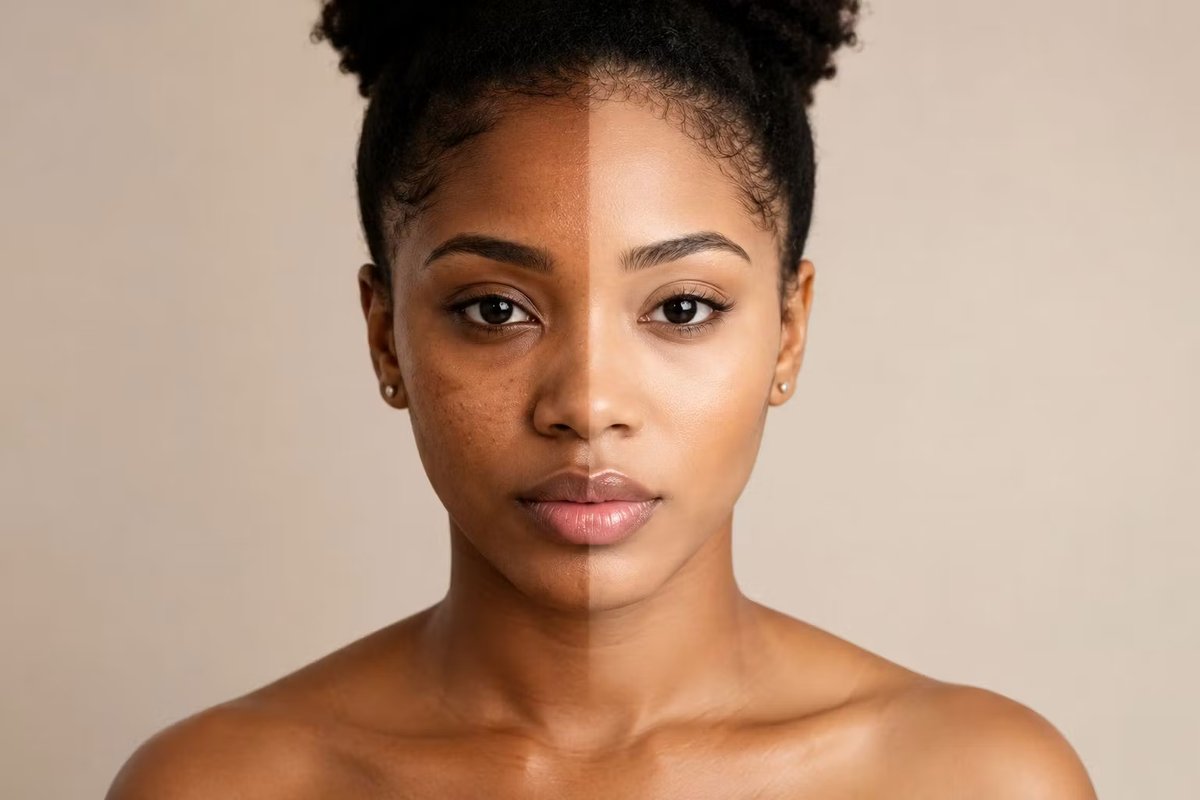
Skin-lightening practices remain widespread across many regions of the world. The global market for such products is projected to reach US$16.4 billion by 2032, driven by a complex mix of psychological, social and cultural factors, including social norms, beauty ideals and advertising.
Many skin-lightening products reduce melanin levels but frequently contain hazardous substances such as mercury, which WHO classifies as one of the ten chemicals of major public health concern. Even low-level mercury exposure can cause serious health effects, including neurological damage, and poses particular risks to fetal and early childhood development. Mercury also persists in the environment — when products are washed off, the substance enters wastewater systems and accumulates in soil, water and ecosystems.
Global action to eliminate mercury-containing cosmetics is accelerating under the Minamata Convention on Mercury. There is growing recognition among Convention parties that understanding the behavioural drivers of demand is essential for effective regulation. This recognition is reflected in the Libreville Commitment, signed in Gabon in 2025, which calls for integrating behavioural approaches into elimination strategies.
Between 2022 and 2026, pilot projects in Gabon, Jamaica and Sri Lanka — implemented with funding from GEF-UNEP — generated valuable lessons on in-country implementation, highlighting the need for targeted capacity-building, population segmentation, efficient resource management and strengthened data analysis.
A central component of the new toolkit is a user journey mapping template that helps countries visualise how individuals encounter, adopt and continue using skin-lightening products. The tool is designed to shift responses away from generic solutions toward targeted, strategic interventions.
"Understanding the complex influences that lead people to voluntarily bleach their skin should be an essential first step in designing interventions or policies to stop these harmful practices," said Elena Altieri, Global Lead for Behavioural Insights at WHO headquarters. "Behavioural insights and user journeys show us where, when and how to intervene. This toolkit helps researchers adopt a standardized approach while generating context-specific insights."
The toolkit draws on evidence from studies conducted across 43 countries and direct experience from in-country implementation. It includes user journey mapping tools, qualitative and quantitative data collection instruments, ethical guidance and practical recommendations for conducting behavioural research.