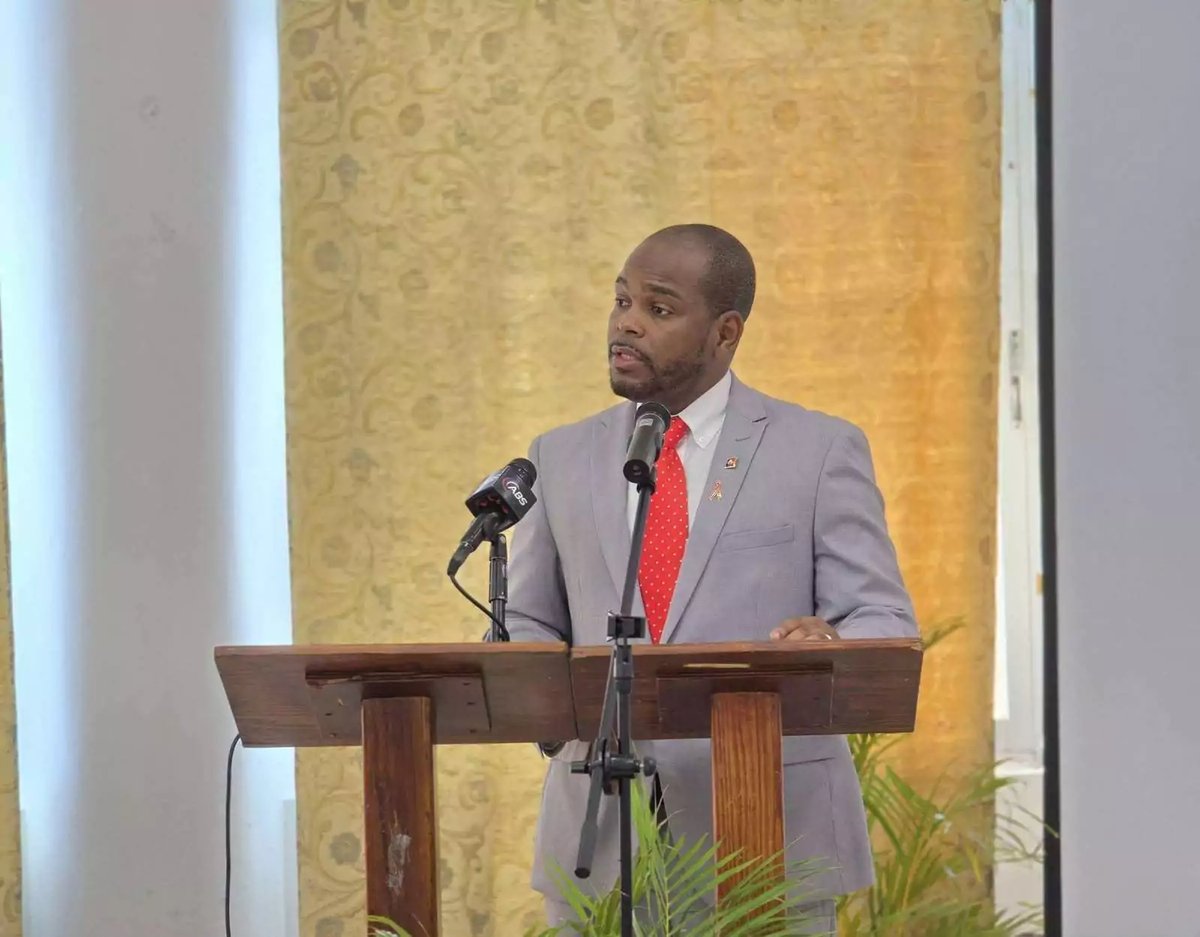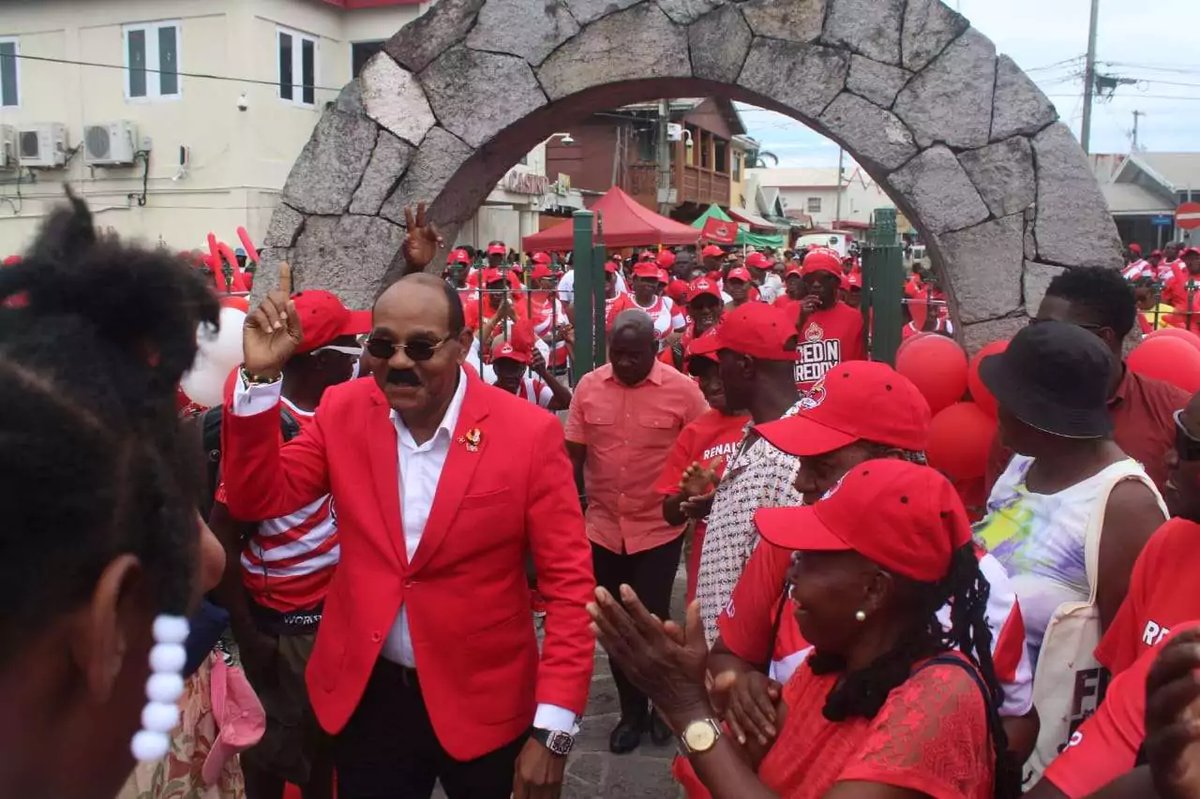
Prime Minister Gaston Browne has pledged a significant shift in the country's approach to worker compensation, vowing to move beyond minimum wage standards toward a "livable wage" system that ensures every worker can meet their basic needs.
According to Antigua.news, Browne made the commitment during Labour Day celebrations, framing the initiative as a central pillar of his administration's agenda to uplift the working class.
"We are moving from a minimum wage to a livable wage," the Prime Minister declared, adding that wage increases would continue as a matter of government policy rather than union pressure. "We will continue to increase salaries and wages routinely… no union has to push us," he said.
Browne positioned the livable wage pledge within a broader empowerment agenda that also encompasses education, skills training, and expanded ownership opportunities for ordinary Antiguans and Barbudans. "We are giving you power… the power in your hands to live better lives," he told workers gathered for the celebrations.
The Prime Minister stressed that economic growth must translate into tangible improvements in living standards for working people, not merely favourable macroeconomic indicators.
The proposed shift aligns with the government's wider messaging around social upliftment and could signal further adjustments to wage policy across both the public and private sectors. However, the move may raise concerns among employers — particularly owners of small and medium-sized enterprises — over the prospect of higher labour costs.
Browne acknowledged the stakes but remained firm, insisting the policy is necessary to deliver fairness and dignity to the country's workforce.