Prime Minister Gaston Browne has forcefully rejected allegations of vote-buying following his party's commanding victory in Thursday's general election, insisting the result reflected public confidence in his administration's record rather than any improper inducements.
According to Antigua.news, the Antigua and Barbuda Labour Party (ABLP) secured a decisive mandate, winning 15 of the 17 parliamentary seats — a result widely regarded as one of the most dominant electoral performances in recent political history.
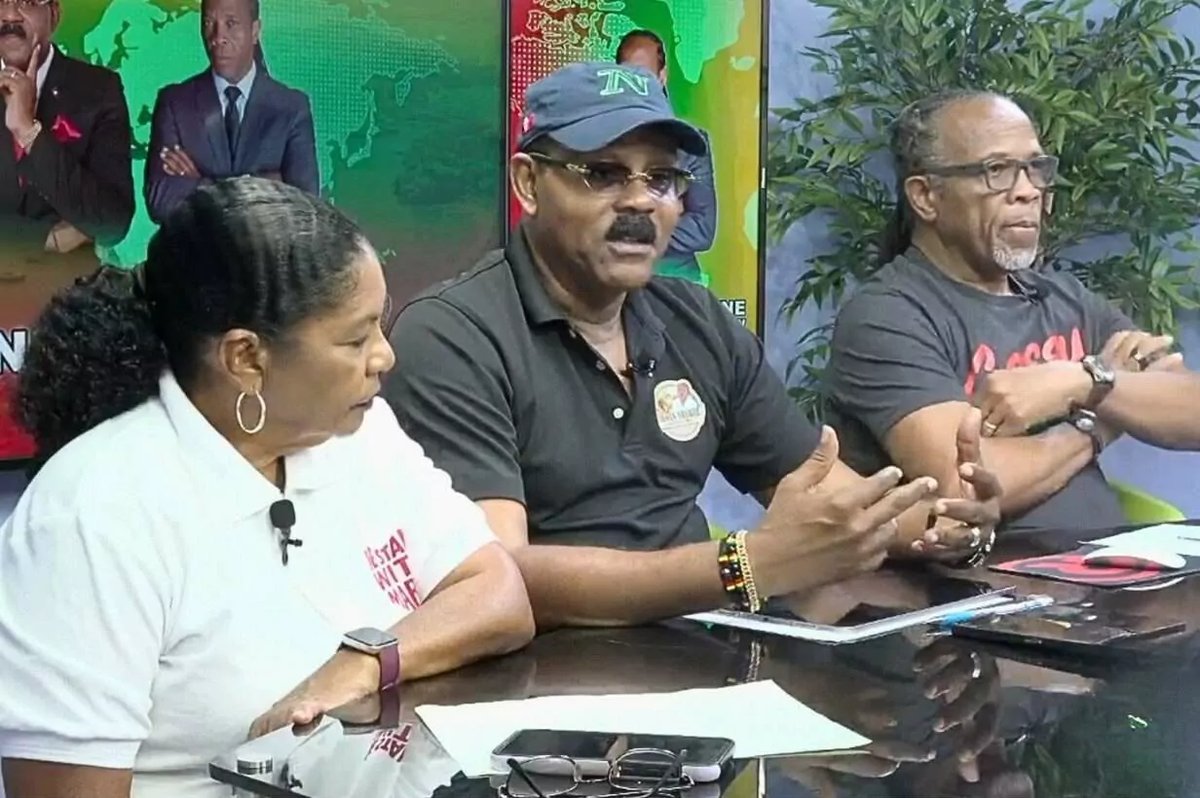
Speaking Saturday night on the "Browne and Browne Show" on Point FM, Browne addressed claims raised by members and supporters of the opposition United Progressive Party (UPP), who alleged that the distribution of building materials and other assistance had influenced voters.
In the immediate aftermath of the election, opposition voices argued that government programmes — particularly the provision of items such as lumber, plywood and galvanize — amounted to vote-buying or bribery, suggesting such assistance may have swayed sections of the electorate. The allegations spread widely across political discussions and social media, with critics contending that state resources created an uneven playing field during the campaign period.
Browne dismissed the claims as unfounded, stating that his administration had taken deliberate steps to avoid any perception of impropriety. "We had materials and deliberately did not distribute them before the elections," he said. He explained that shipments of building supplies had arrived shortly before polling day but were intentionally withheld until after the vote.
"We have just as much or even more building material than before… and we did not distribute them because we didn't want anyone to say that we were trying to influence the election," Browne added.
The Prime Minister went further, arguing that a genuine vote-buying strategy would have looked markedly different. "If it was about buying votes, we would have loaded up candidates with money," he said. He noted that his party instead made a conscious decision to conserve some campaign resources, including setting aside funds for long-term institutional development.
Browne also maintained that the distribution of building materials referenced by critics forms part of an ongoing social support programme, not an election tactic. He said assistance to residents has been carried out periodically over time and is not tied to electoral cycles. "This is an ongoing programme… every couple of months we try to bring in materials to help as many people as possible," he said.
Pointing to the scale of the ABLP's victory, Browne argued the result itself undermines the vote-buying narrative. He cited ongoing road and water infrastructure works, housing development programmes, expansion of education and scholarships, and economic growth and employment opportunities as the driving factors behind the win.
"I feel that the people are appreciative of the work that we have done," he said.
Browne also criticised what he described as a lack of evidence behind the opposition's allegations, suggesting that UPP figures were deflecting from their own poor electoral performance. "I don't think they are speaking from a position of fact," he said, characterising the claims as largely "rhetorical."
He argued that the opposition's campaign failed to resonate with voters and that internal challenges within the UPP contributed more significantly to the outcome.
"The people have given us a resounding mandate," Browne said. "And we intend to honour that trust."