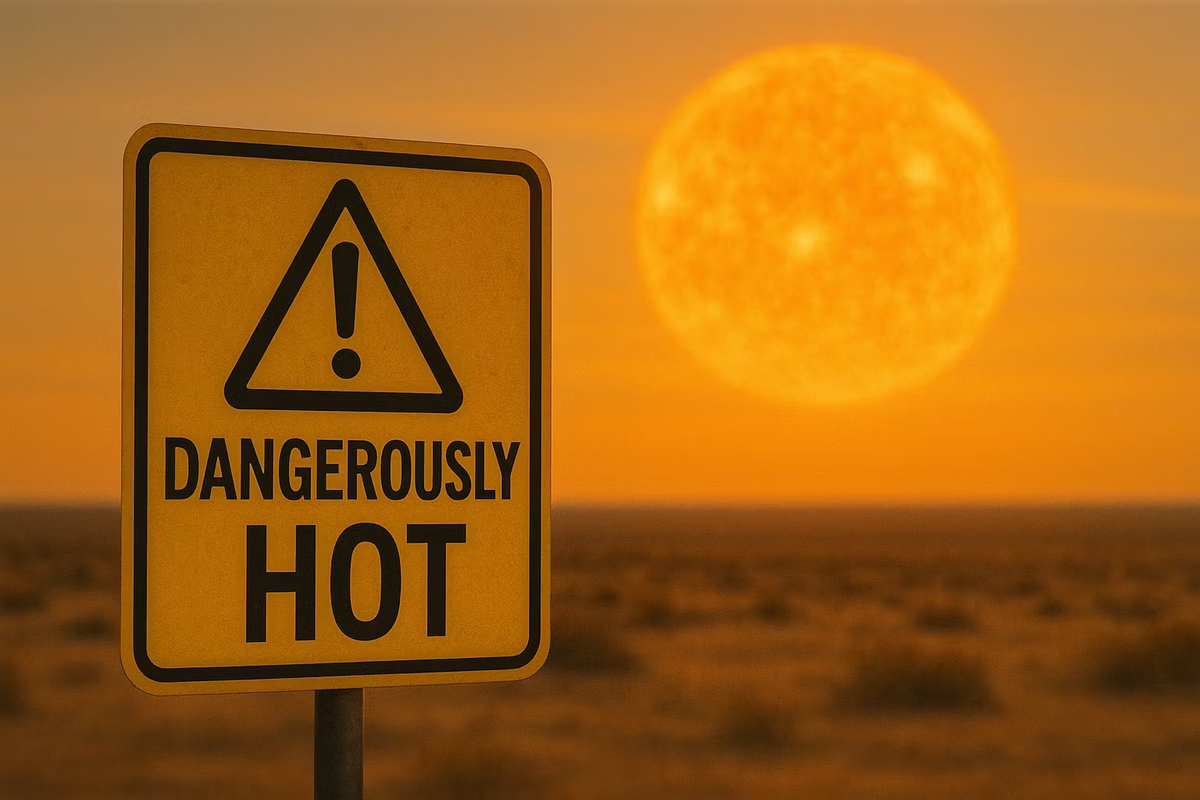
Antigua and Barbuda is being urged to prepare for significantly hotter and drier conditions as climate signals point to the development of El Niño, a weather pattern known to sharply reduce rainfall across the Caribbean.
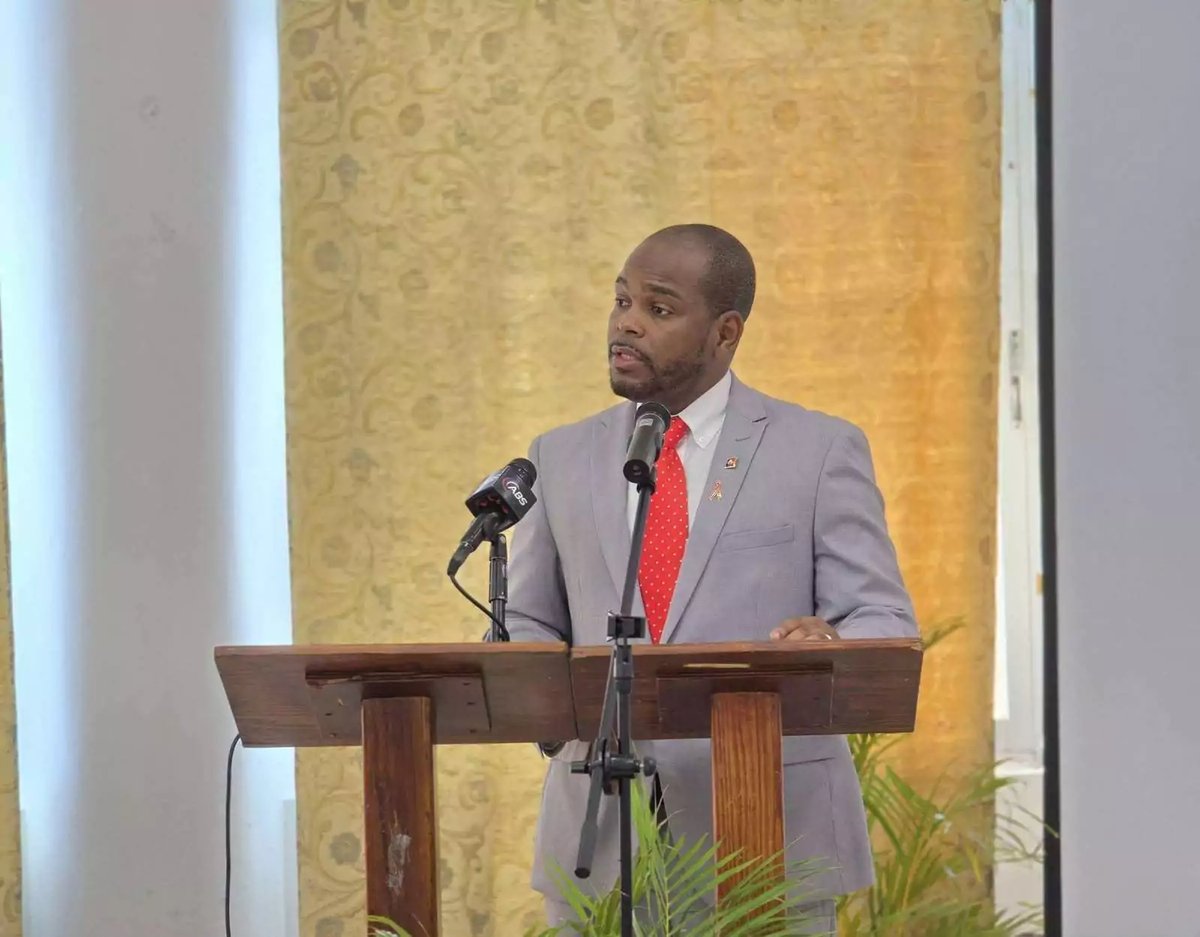
According to Antigua News Room, meteorologist Dale C. S. Destin published an analysis on April 26 warning of a high likelihood of below-normal rainfall and above-average temperatures between May and September. The forecast raises serious concerns about drought risk and mounting pressure on the country's water resources.
El Niño is driven by warming ocean temperatures in the Pacific and typically suppresses rainfall across the Caribbean while pushing temperatures higher. For Antigua and Barbuda, the pattern can mean reduced wet-season rains, higher evaporation rates, and increased strain on already limited freshwater supplies.
The country is particularly vulnerable to such conditions. More than 90 percent of its water is produced through desalination — a measure that has improved resilience in recent years. However, Destin cautioned that prolonged dry conditions could still pose serious challenges if not carefully managed.
History underscores the urgency. Past El Niño years — including 1983, 1997, and 2015 — brought severe drought, water shortages, and widespread disruptions to daily life across the region.
Officials and residents are being encouraged to monitor conditions closely and adopt water conservation measures as Antigua and Barbuda heads into what could prove to be another difficult dry period.